A few weeks ago, at Calgary’s most recent Walk With A Doc, we learned about high blood pressure and heart health, and practical strategies to better manage and improve both. One crucial action is to limit your sodium intake to a maximum of 1500-2300mg per day. During our Q&A, one of our walkers asked an excellent question: “So what does 2300mg of sodium look like?” I didn’t know off the top of my head at that moment, so here’s a little refresher for us both.
(Short on time? Click here for The Bottom Line)
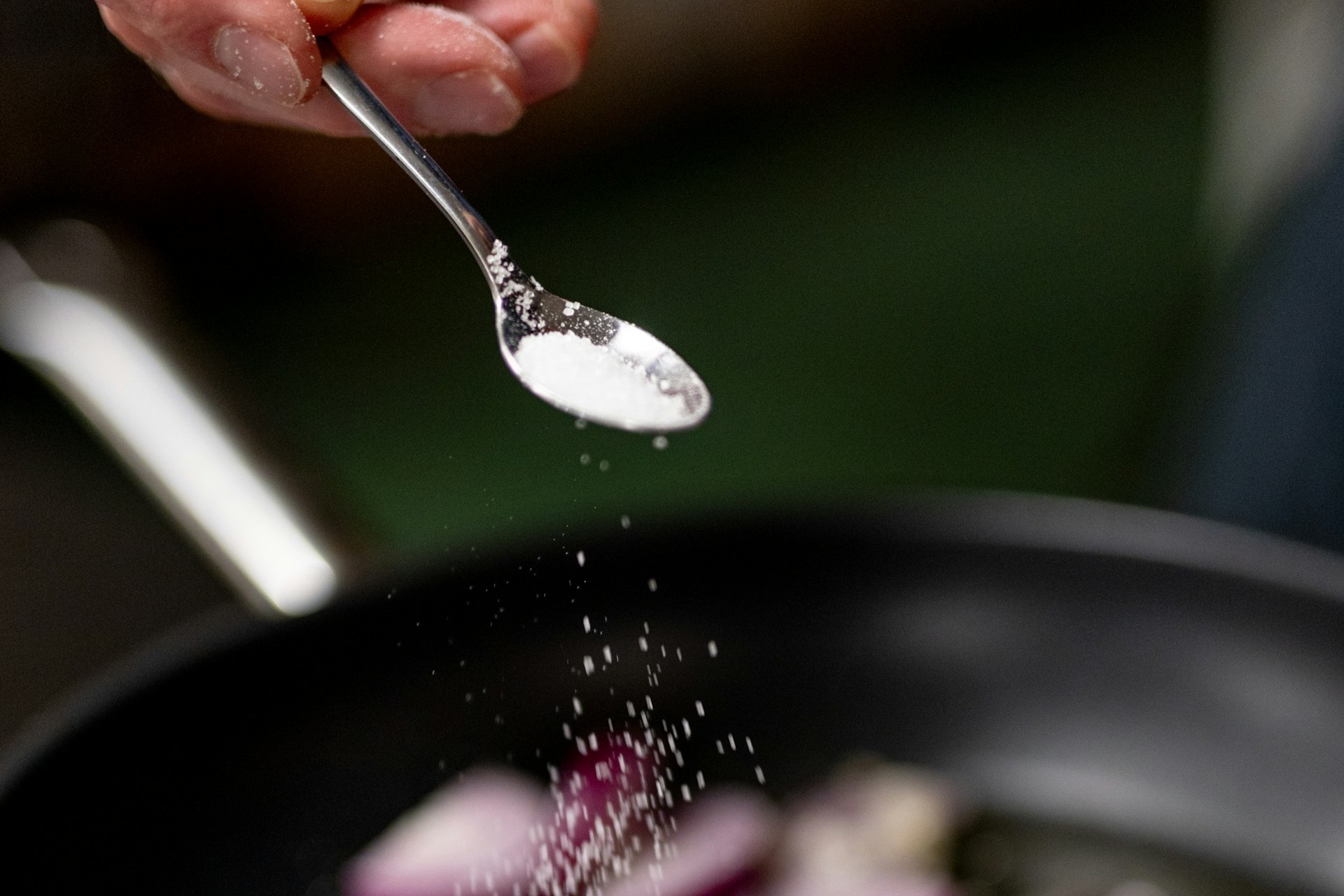
First things first: 2300mg of sodium = approx 1 teaspoon (5ml) of table salt. If this feels shocking, you are not alone.
Did you know that the average daily sodium consumption of Canadians is estimated to be 2760mg? However, that fact is from 2017, and I suspect it’s unfortunately a higher average nearly a decade later.
Too much sodium leads to higher blood pressure and higher risk of heart attacks and strokes, which none of us want. This is precisely why it’s important that we learn more about it and how to adjust our nutrition appropriately.
Last year, we learned about the difference between sodium and salt. Quick refresher:
- Salt is a compound made of two minerals (sodium and chloride). It is found in processed foods, used in cooking, and added at the table.
- Sodium is an essential nutrient the body needs, but too little or too much is problematic.
According to the American Heart Association (AHA), ~70% of sodium we consume comes from processed foods, such as those that are packaged, pre-prepared, or found at restaurants. Food processing does not inherently make food bad or unhealthy (more on that later). However, we know salt is usually added to enhance flavour, help with preservation and stability, and to prevent bacterial problems.
The other 30% of the sodium we consume is either naturally found in foods we eat, from added salt during the cooking process, or from adding table salt when we sit down to eat.
Specific examples of high sodium foods include:
- Processed meats
- Fast food and pre-packaged foods (frozen dinners, instant noodles, etc.)
- Condiments, dressings, and packaged sauces
- Canned soup
- Salty snacks such as chips, pretzels, and crackers
Before you cut down the sodium, understand how much you consume right now. The Sodium Calculator by Project Big Life is a neat initiative (created in Canada!), where you can easily determine how much salt you eat on average, and then you can adjust from there.
Here is your action plan to reduce your sodium:
- Cooking at home more to stay in control of how much salt goes into your food
- Always check nutrition labels and choose a lower Daily Value % (DV%) of sodium (more on label reading later)
- Eat less processed and pre-packaged foods
- Choose more fruits and vegetables (fresh or frozen)
- Reduce/Eliminate adding salt at the table during mealtime
- Explore alternative seasonings for lots of flavour and variety without a side of heart disease
Many of these overlap with and contribute to the DASH diet (Dietary Approaches to Stop Hypertension), which helps manage blood pressure well. Here are some more tips and tricks to help.
Making these changes takes some getting used to, especially if your salt intake is on the higher side. However, when you slowly reduce the salt and make small changes over time, it will feel less bland and overwhelming. Sure, going cold turkey is possible for a few, but it is more difficult to maintain and more misery provoking along the way.
Start by intentionally paying attention to your sodium intake, even if you don’t reduce it at first. This awareness will help you recognize how salty some foods can be, especially when eating at a restaurant or drive through. That in itself could prompt you to pump the brakes on the sodium!
So there you have it: 2300mg of sodium = 1 teaspoon (5ml) of salt, reducing sodium intake greatly improves heart and blood pressure health, and there are plenty of strategies you can try to achieve and maintain this.
The Bottom Line
Sodium and salt are not the same thing. 2300mg Sodium = 1 teaspoon Salt. High sodium foods are processed meats, fast foods, pre-packaged foods, condiments, potato chips, and pretzels. Reducing sodium intake helps blood pressure control, which in turn protects your heart, brain, kidneys, vessels, and more. Stop adding table salt to your food at mealtime. Reduce the salt you cook with. Eat less convenience foods. Eat more whole foods such as fruits and vegetables. Remember to reduce salt slowly and steadily, so it doesn’t feel bleh and bland along the way.