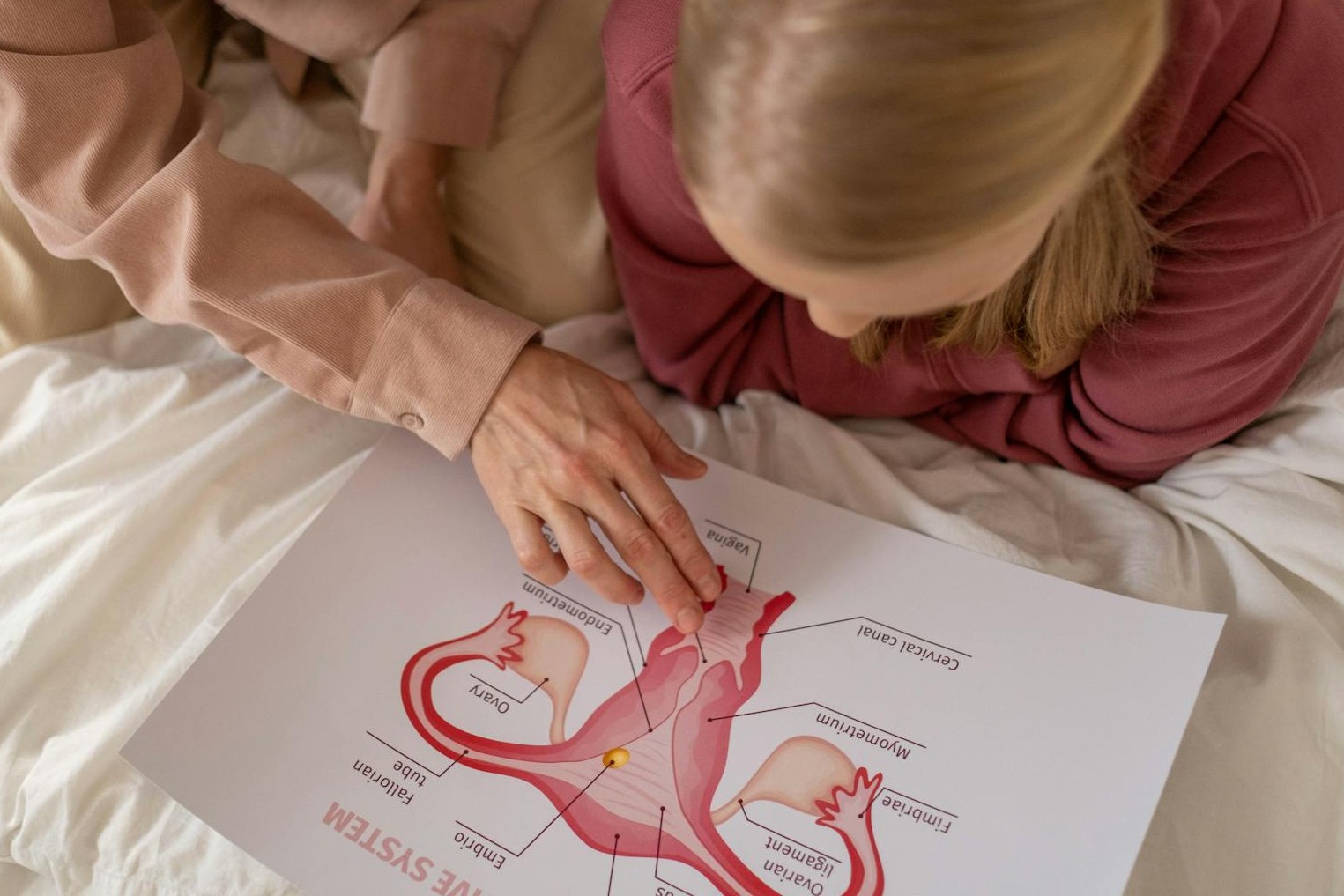
You may have heard last week: Polycystic Ovarian Syndrome (PCOS) has been officially renamed to Polyendocrine Metabolic Ovarian Syndrome (PMOS)! After more than a decade of coordination between clinicians, researchers, and patients, this is a game changer, and a major win for millions of women around the world. It is incredibly relevant to our work as it is intricately related to chronic disease risk from Diabetes to Obesity, and many conditions in between.
(Short on time? Click here for The Bottom Line)
On May 12th, 2026 The Lancet published the official global consensus to rename PCOS to PMOS. What’s the big deal? PCOS became very focused on cysts, often leading to underdiagnosis and patients feeling invalidated or dismissed around the many other symptoms they may feel. Not to mention the lack of further treatment and discussion that sadly tends to follow. Let’s break it down:
- P for Polyendocrine: multiple glands are involved (hormonal and endocrine problem)
- M for Metabolic: causes issues with blood sugar, blood pressure, insulin resistance, weight, and increases risk of heart disease
- O for Ovarian: ovaries are still involved, but the focus shifts away from cysts alone
- S for Syndrome: combination or group of signs and symptoms that define a condition
The new term is much more accurate and appropriately addresses the multisystemic full body impact, and complex hormonal (and endocrine) nature of this disease. It adds clarity, subtracts confusion, and puts critical metabolic impacts front and centre. Most importantly, I see the new name as a way to better describe the patient experience of the condition, and to hopefully facilitate the provision of higher-quality, patient-centered care, not only for PMOS, but also for the serious chronic diseases it is associated with.
Why does it matter to me?
Earlier this year, we learned about the association between PMOS and Insulin Resistance (IR), and how disruptive it is to metabolism and weight management. Many patients and clients I work with struggle with this combination of concerns. And remember, these health consequences then go on to increase our risk of Type 2 Diabetes, High Blood Pressure, Cardiovascular Disease, and other chronic diseases. Moreover, PMOS often also impacts women’s mental health, skin health, risk of eating disorders and pregnancy complications, and is the most common cause of female infertility.
Specific signs and symptoms of PMOS vary widely and many of the features are what we call general, as in, something like fatigue. That could be from PMOS, or it could be from a long list of other causes as well. You might be able to imagine if all the above systems are impacted, there are going to be things people experience that vary from person to person. Two critical parts of the diagnosis remain true:
- Changes to periods (menstrual cycles that are irregular or absent)
- Signs of high androgens (such as acne or excess body hair)
Although we do not know the specific cause, we do know genetics and lifestyle are contributing factors, with IR driving most of the cases. When too much insulin remains in circulation, the ovaries are driven to overproduce testosterone, which is responsible for the symptoms women experience. This is why medications such as Metformin, Androgen Blockers, and Hormonal Contraception can be valuable treatments to help.
When it comes to management aside from medications, Lifestyle Medicine shines in terms of how to best manage PMOS, as we learned previously. Remember the principles: eat more whole foods and plants, eat less ultraprocessed and fast foods, move your body daily (both cardio and strength training help), keep a healthy weight, eliminate or reduce substances such as tobacco or alcohol, and prioritize high quality sleep. With PMOS, treatment is best when it is tailored to your needs as an individual and whatever symptoms or experience you are facing.
I hope this historic name change improves women’s health and lives around the world. At the very least, it helps raise awareness, can lead to earlier / more accurate diagnoses, and people can understand and know the disease better. At its best, we can hope to see less fragmented care around PMOS, reduce stigma, help women with the metabolic risks from the condition sooner, and validate people’s experiences with the disease.
The Bottom Line
PCOS has been renamed to PMOS, a metabolic condition that impacts the entire endocrine system and multiple hormones, rather than focusing on cysts alone. PMOS better describes the significant risks to women’s metabolic health and risk of chronic diseases and cardiovascular diseases that are often related. Insulin resistance is a big part of this too. You have the power to improve all of this through eating more whole-foods (mostly plants, prioritize fibre), moving your body daily (cardio and weights both matter), getting better sleep, and reducing substances!