Establishing and maintaining healthy behaviours and unlearning unhealthy habits is not easy. Both of these actions involve change. And change is hard. Whether change comes from life “life-ing” or is rooted in your desire to do something (anything, really) in a different way than you are used to, it ends up going one of two ways. Either you avoid change because of how uncomfortable it feels, or you recognize that it is happening regardless and embrace it (or let’s be honest, avoid acknowledging it too). The times we do get around to making a change, or at least trying to, I would invite you to consider how much your intention behind it matters.
(Short on time? Click here for The Bottom Line)
I understand change feels scary and uncomfortable. And a lot of the time it feels like it requires so much effort. But it is also a natural, normal part of life. In many ways, change is inevitable.
Going to school becomes going to college or university.
Days at higher education suddenly turn into days at the office.
Physical education classes and sports become trying to figure out how to workout in the chaos of adult life.
Nutrition goes from guidance from your parents to trying to solve what you should eat every night.
Sleeping in like a teenager becomes surviving on 5 hours of sleep.
And so on.
Every single client and patient I have worked with has desired some form of change. A better managed weight, a better controlled A1c, blood pressure, or cholesterol marker, less inflammation, more happiness, less pain, more function, better sleep, optimal hydration, or to be faster, stronger, improve endurance, breathing, or heart and brain function. The list is endless. And that is for health alone.
We desire change for many other things too. That’s normal. But think about a time you tried to make a change for your health, or maybe right now you are thinking about building a new habit or doing something differently.
What is your intention behind this change? And what I am getting at is, how are you talking to yourself about this change?
Many people who I help with obesity and weight management tell me that they are not able to properly function daily, or are unhappy with the way they look, or lack the ability to do basic tasks, or that they hate how clothes fit.
That is a word I have noticed more and more. Hate. You go on a diet because you hate how your stomach looks in a bathing suit. You force yourself to suffer on a treadmill or get a personal trainer because you hate how loose your arms are. You seek a drastic total 180-degree change for your health to become better, because you hate how you feel about yourself.
You hate this and you hate that. And from that hate you wish for things to be different. And once you finally muster up the courage to face the discomfort and turn the volume down on the excuses, and navigate through your “anxiety mind”, and become determined to do something to change, you do it out of hate. It’s really self-hate that is the issue.
I have two serious concerns about this.
First, this is a perfect recipe for short-term (potential) success, and long-term (nearly guaranteed) disaster. Making any change out of hate is extremely difficult, if not impossible to maintain, because it is built on that foundation of self-hate. Therefore, in order to maintain the changes you so desperately wanted, you have to continue hating yourself. Can you honestly say to yourself that that is what you would like to do? For the rest of your life? Not a good feeling, right? Also, again, not sustainable.
Second, what happened to your self-compassion? Why are you treating yourself so negatively? Why are you not worthy and deserving of healthy living and the healthy habits and changes that come with that? If your change talk is directed by self-hate, by extension, there are likely more things you are beating yourself up over, that you do not need to approach that way.
The next time you decide to set a health goal, build a new behaviour, unlearn an unhealthy habit, or anything along these lines, I would invite you to consider making the change with self-love.
You deserve to live a life with a healthy weight both now, at whatever your weight is at this moment, and in the future at your desired weight.
You are worthy of loving yourself and your body just as they are now. And just as they will be after your transformation.
Your value does not change.
The sooner you can approach change from this lens, for health or otherwise, the sooner you will find yourself on the path to sustainable and lasting behaviour change. All the while loving yourself and feeling good about yourself.
How can you put this into practice? Here is your step by step guide:
-
Pay attention.
- The next time you catch yourself saying “I hate my body” or “I hate the way I look” or “I hate my arms” or “my stomach”… pause, take a breath, and notice yourself using that language with yourself.
-
Be non-judgemental.
- Notice your self-talk and let it be. Do not change it. Do not label it as good or bad. Do not fight it (not yet, we will do something about it in the next step, don’t worry). Just notice it for what it is.
-
Reframe it.
- If and when you feel ready, you could brainstorm some healthier, happier, self-love-talk phrases instead.
- Those phrases could be: “I deserve a healthy body”, “I am worthy of a healthy life”, “I love myself and I want to be healthy because I love myself”, “I love me for me”, “My worth is not defined by the number on the scale”, etc.
A final compelling reason to shift towards self-love rather than self-hate as your motivational fuel source:
- Changing out of self-hate means coping with the way you speak to yourself. You are more likely to feel miserable and sad. Meaning more sitting on the couch. More takeout. More substance use. More isolation. More calories. All behaviours you know are unhealthy and take you in the opposite direction of where you wish to go.
- Changing out of self-love means you want to honour your body. You want to put healthy foods in your body because you know you deserve it. You do not want to put junk or ultra-processed foods in your body because you know they will make you feel poorly. You want to exercise because you feel better mentally, emotionally, and physically as soon as you do.
This reason is important since it makes the behaviour change easy not only short-term, but also long-term. Meaning you are more likely to stick with it. Which in itself is another reason it lasts.
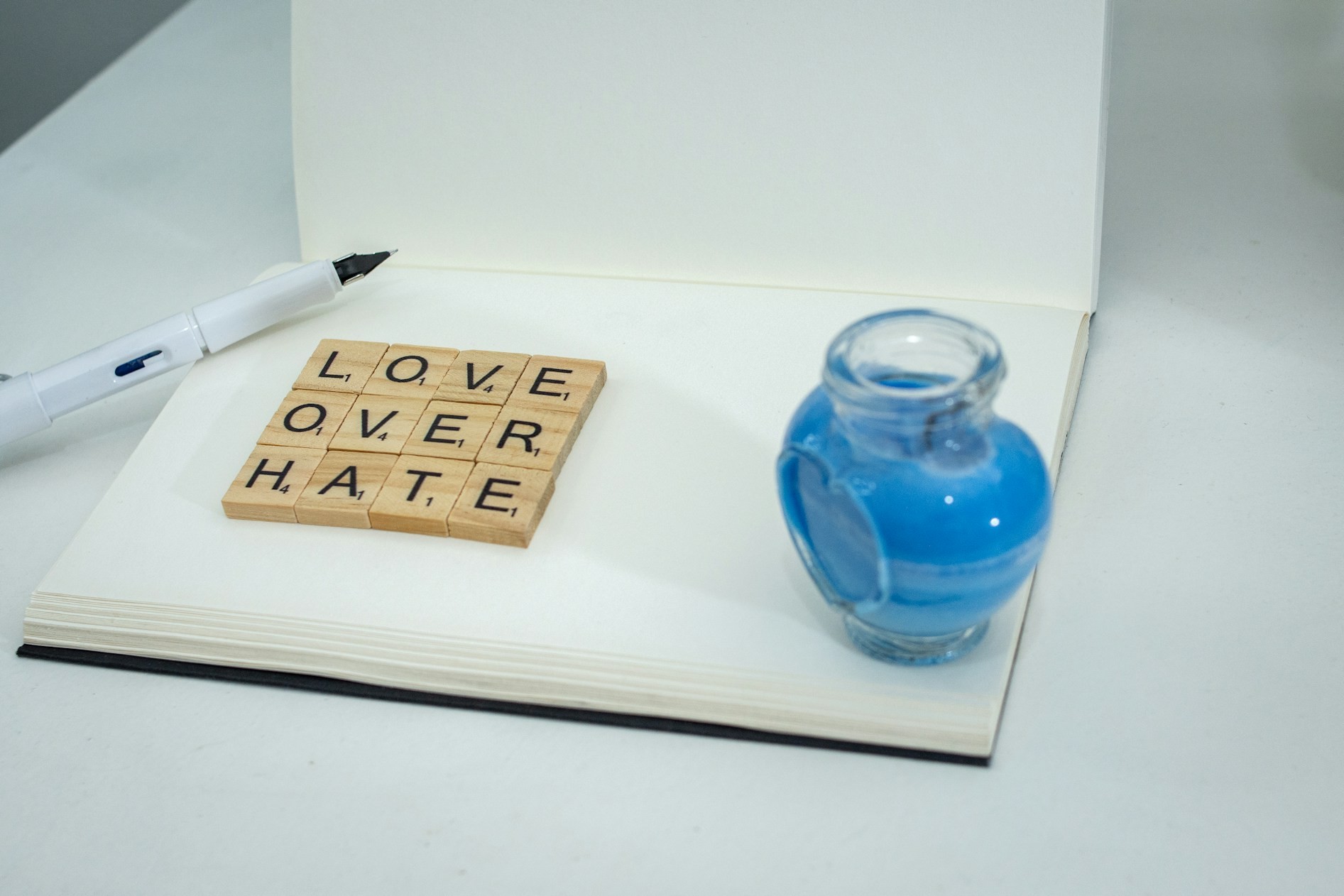
So, change out of love. Not out of hate.
As always, chase progress, not perfection.
I believe in you,
Dr. Khimji
This Week’s Challenge
During every shower or bath you take this week, while in the water, say out loud three things you are grateful for. They can be the same things everyday if that helps. An easy one is: “I am grateful for access to clean water to shower with”.
The Bottom Line
Creating healthy habits and dismantling unhealthy ones are both difficult processes. They require change. And change is uncomfortable. You can either avoid the discomfort of change, or embrace it and own it. Still hard either way. Your intention behind the change, specifically how you speak to yourself, matters more than you might realize. Many of us go on an intense diet or commit to a rigorous unsustainable exercise regimen because we hate ourselves. You hate how you look, what your stomach is, how loose your arms are, etc. Changing out of hate never lasts. And even if it does, you have to hate yourself forever. Not nice. Where is your self-compassion? Consider making changes out of love. You deserve a healthy body and to live a meaningful life. You deserve to make healthy changes for a better, happier life. When you change out of self-hate you need to cope with feeling negatively. You ironically eat even more poorly and exercise even less, usually resulting in health becoming worse. When you change out of self-love you honour your body. You do not want to put junk into it because you know you deserve better. You want to move more because you know you are worth feeling better. Catch yourself when your self-talk is on hate mode. Notice those phrases, be mindful, non-judgemental, and pay attention. Then reframe them to sentences that help you change out of love for yourself. You will find yourself changing your lifestyle for the better before you know it.