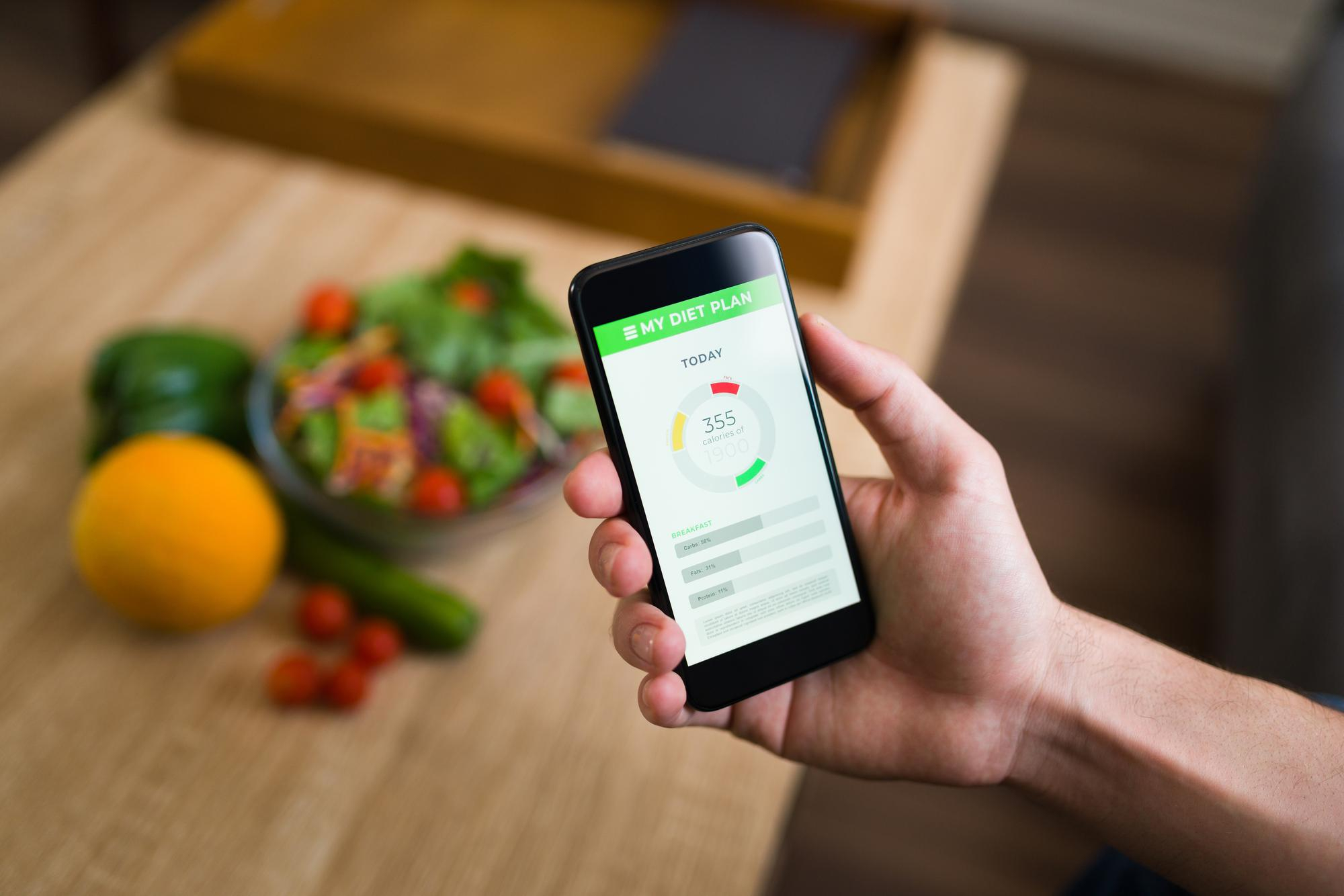
I am often asked: “Should I be tracking my calories?” As a physician focused on whole-food, plant-predominant eating, my instinct is often “no”. However, in clinical practice and real life, nuance is everything. Whether tracking helps or hinders your Rx:Progress depends entirely on your relationship with the data.
(Short on time? Click here for The Bottom Line)
When it comes to nutrition or any health optimization, many look to calories first. Does tracking give you direction? Is it a mistake that creates burnout? The more you understand, the more informed a decision you can make for yourself, and the better you can manage your health.
The Argument for Tracking: Education
For those who have never tracked, a 2-to-12-week “food log” or “audit” can be an eye-opening educational tool. It builds:
- Calorie Density Awareness: you realize your “healthy handful” of nuts has as many calories as a full meal.
- Portion Intelligence: you understand visually how to make sense of meals for future reference.
- Hidden Culprits: you can identify “liquid desserts” (such as lattes) and calorie-packed snacks that bypass hunger signals.
Paying attention to what you are putting into your body can be a useful starting place to better understand nutrition and how foods and calories work. The more aware you are, the easier it is to make changes.
The Argument Against: The “Diet Trap”
Risks and danger start when your tracking tool becomes a rigid rule. Tracking may lead to:
- Disordered Eating: you may trigger restrictive patterns or orthorexia (an obsession with “pure” eating).
- Muffled Signals: you might lose touch with your body’s natural hunger and fullness cues if you rely on your app/journal too much.
- Mental Tax: you chase numbers only to add stress and anxiety, which ironically hinder your progress and negatively impact your metabolism.
The “diet mindset” is one of the most common pitfalls I see when helping folks with weight management. Counting calories as a quick fix diet is not the answer long term.
So, which one is right for you?
Ask yourself: is this liberating me from overeating, or is it forcing me into an obsessive “diet mindset”? If you need to build foundational awareness of what’s in your food, a short-term log is an invaluable education. But if you find yourself self-critical or ruled by the numbers, it might be time to put the app away.
BONUS: It’s not just about data collection. How we interpret the data matters more. More on that later.
The Bottom Line
Calorie tracking is a tool, not a rule. It provides valuable education on portions and density, but it carries a risk of fueling an obsessive diet mindset. Your health is measured by far more than a daily total. Use data to inform your habits, but let your body’s signals lead the way.