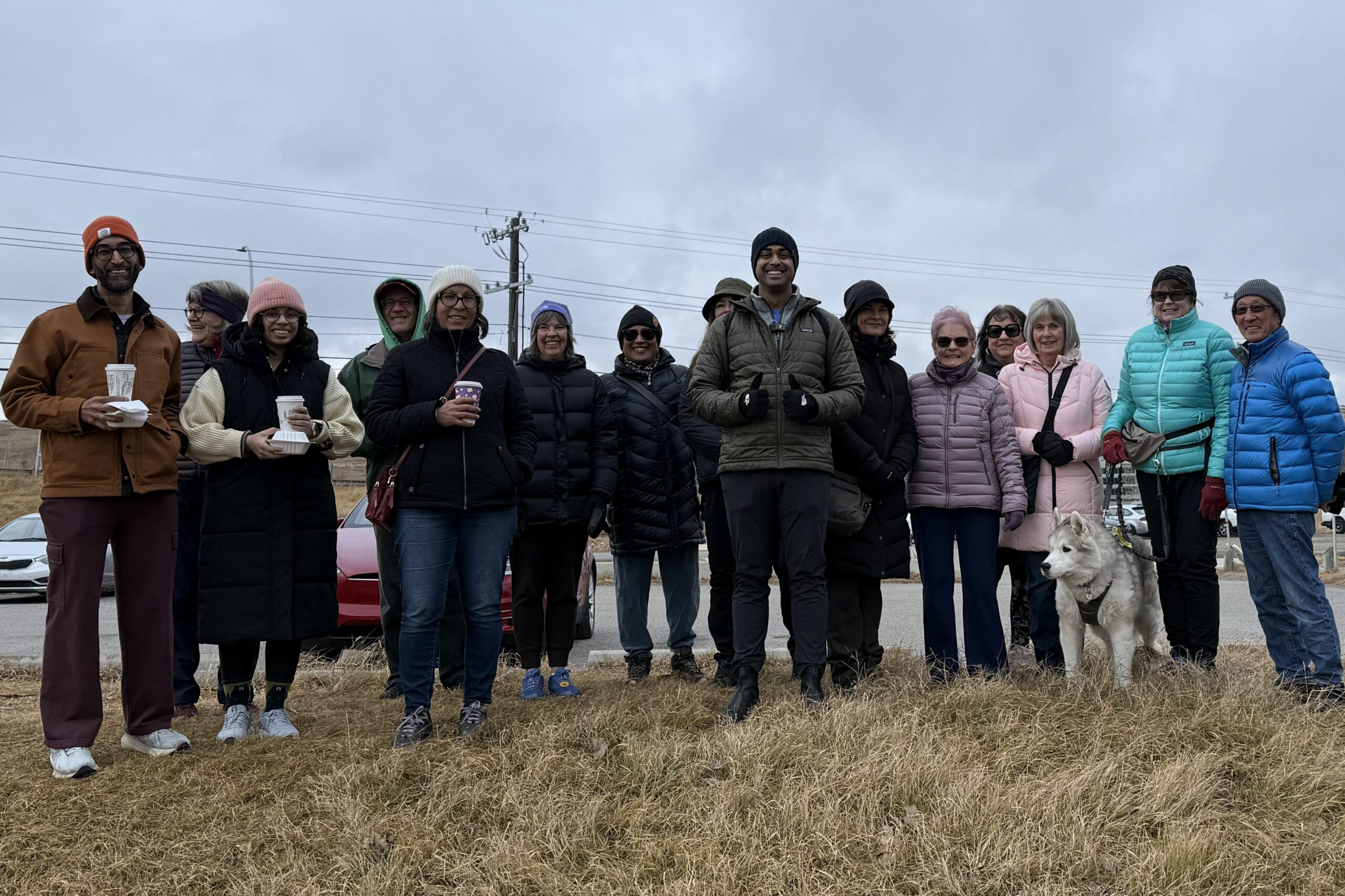
Social connection matters more than you might think.
At Calgary’s 8th Walk With A Doc this past Sunday, we learned about social connection, and just how important it is for survival, longevity, and health optimization.
Social connection is one of the strongest predictors and one of the most consistently correlated factors to living happier, healthier, and longer.
We can see improvements in our heart rate and blood pressure, and our mood and energy lifts when we have positive social interactions, no matter how short.
On the flip side, research on social isolation is clear too. The more isolated we are and the more we struggle with loneliness, the higher our risk of developing depression and anxiety, and even having a heart attack or stroke. We see loneliness play a role in many other conditions too, from obesity and disordered eating, to chronic pain and fibromyalgia. Loneliness broadly increases our risk of getting most diseases and dying earlier.
We are human beings. We are meant to connect and be connected. We thrive in community, no matter how individualistic society may feel at times. And I know, as we get older, it can feel more challenging and daunting to make new friends. But as with anything worthwhile, some effort and energy goes a long way.
So how do you get more social? How can you connect more? At the bottom of this post there is a list of suggestions to become more social. What I want to share first, is what you can do to build deeper, stronger connections regardless of the activity or event you choose.
- Connect with people who are in your life already that you might see a lot; be caring and considerate, connect a little more than you currently do, and be intentional about how you do this with others.
- Stay positive when connecting with others (I know this is not always possible but do it when you can!)
- Share new experiences.
- Make time to spend with others.
- Be there for people who you support or those who need you.
- Become curious, supportive, and excited about what other people have going on in their lives and how they are doing.
Why is this important? The Harvard Study of Adult Development which has run over 80+ years and looks at health and happiness in humans, found that relationship quality is the strongest predictor for long term health and survival, longevity, and happiness.
It’s not necessarily the number of friends or the amount of social activity, but the strength of the bond, depth, and trust of the relationships that matter far more and can impact our health much more.
Ideas for how to get and stay more connected:
- Join a walking group
- Join a rec sports league. I’ve played volleyball and soccer in some of these leagues before and its low stakes and lots of fun!
- Volunteer for a community event or organization
- Join a religious or spiritual group if you have interest in those aspects of life
- Take a course at your local library or community college
- Invite a friend you haven’t seen in a while for a walk or a healthy meal
- Consider fostering old relationships if you feel safe and comfortable to do so
There are many more ways, so get creative! You can even try to find social options that hit multiple Lifestyle Medicine categories all at once, such as group physical activity or healthy cooking classes!
Being social is essential to being human. Loneliness is a biological stressor that negatively impacts our health and shortens our life span. Connectedness heals and helps us live healthier, happier, and longer. Be more intentional about your social engagements and social life from now on, it pays dividends in health and life!
This wraps up our WWAD health talk series on the six pillars of lifestyle medicine.
I have lots more health topics in store for you, but if you want to discuss a particular subject at a future walk, send your ideas to hussain@doctorkhimji.com.
If you would like to join our walking group, you are always welcome. I hope to see you on Sun Dec 21, 2025! RSVP here.