Hyperlipidemia is the medical term for when we have too much cholesterol or lipids (fats) in our blood. This directly relates to having high cholesterol levels, which most people know leads to major health conditions such as heart attacks and strokes.
Did you know your liver makes its own cholesterol? And that cholesterol is essential and good for certain functions in the body? It helps make hormones, vitamins, and build cells. The body produces enough cholesterol for its needs, and getting it from our foods or diet is not necessary.
Dietary cholesterol (what we get from eating) comes mostly from animal foods, such as meat, eggs, and dairy (i.e. cheese, milk, etc). Too much of these foods, leads to too much cholesterol build up in the body, which leads to chronic diseases, shorter lifespan, and many negative health consequences.
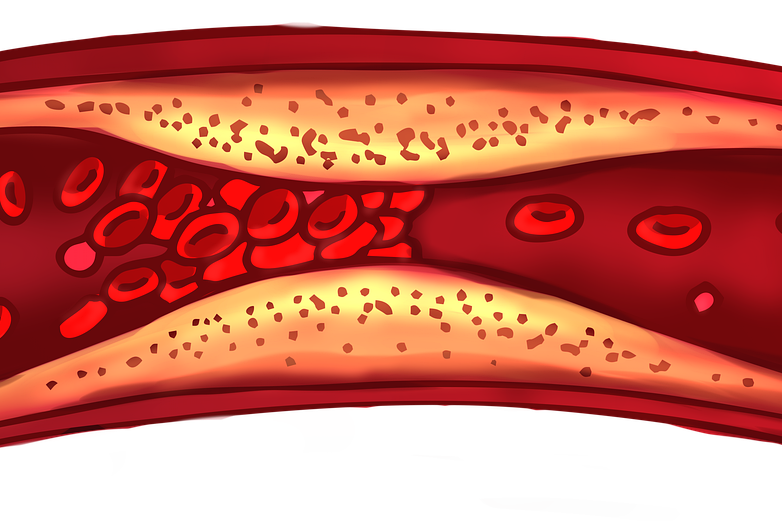
So what’s actually happening when you have too much cholesterol? As it builds up in your blood, it deposits in your blood vessels, and over time builds up and hardens. As this new layer of fat becomes larger and thicker, it can trap blood clots in the arteries, which is how blood flow to the heart (heart attack) or to the brain (stroke) occurs.
As part of preventative health, we often screen (test to check/detect before it becomes a problem) adults for their cholesterol levels, through a blood test called a “Lipid Panel”. This measures a few types of cholesterol. We will focus on the 3 main kinds:
-
LDL (Low-Density Lipoprotein) aka “Bad Cholesterol”
- High levels directly increase risk of heart disease and stroke
- The lower the better for your heart health and longevity
-
HDL (High-Density Lipoprotein) aka “Good Cholesterol”
- Higher levels reduce risk of heart disease and stroke
- The only type of cholesterol we want to be higher
- HDL “mops up” the extra cholesterol in the blood and helps prevent build up in your vessels
-
TG (Triglycerides)
- A type of fat the body stores
- Contributes to high overall cholesterol and high levels cause buildup in your body
- If levels are high, they can also increase risk of Diabetes and Obesity
Here are some quick strategies to manage your cholesterol levels:
- Boost your fibre intake (eat more fruits, vegetables, beans, legumes, healthy whole grains)
- Move your body daily and consistently (both cardio and strength training matter)
- Eliminate smoking (and any form of tobacco)
- Reduce and manage stress in healthy ways
Keep an eye out for future health reminders where we learn more about cholesterol, what other testing we can do, why it’s important to stay on top of managing it, and more.
Use this knowledge to make informed decisions about your health, so you can move towards healthier, happier living, better quality of life, less risk of life shortening/ending conditions, and better management of chronic disease.
Note: If you have specific questions about your health or medical management of high cholesterol, please discuss these with your healthcare provider.