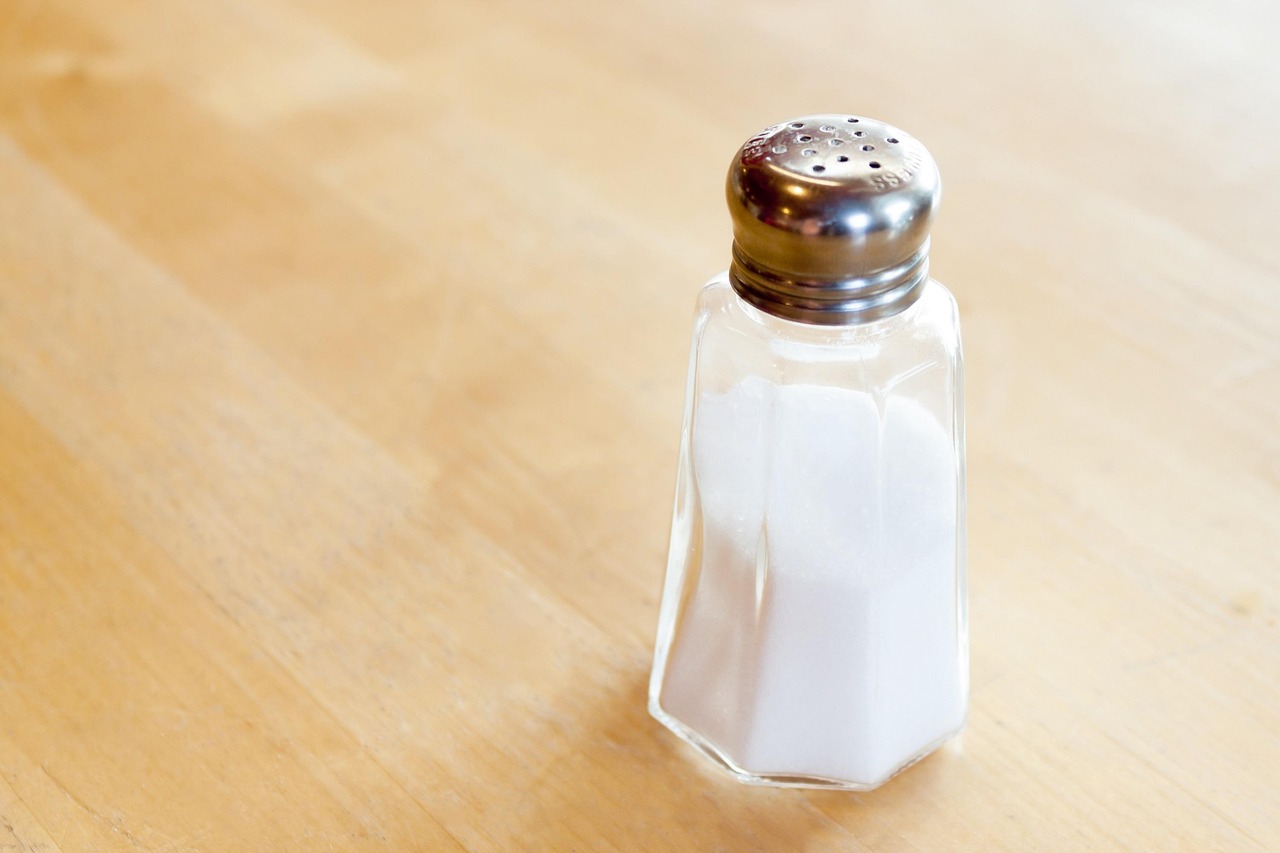
The next time you are having a meal with others, and someone says “pass the salt”, consider taking a second to pause.
Salt is one of the most well known compounds out there. It is often used interchangeably with the term sodium, but it is important to note that salt and sodium are not the same thing.
(Short on time? Click here for The Bottom Line)
Sodium is part of what makes up salt. Sodium is not all bad and a little goes a long way to help our body’s fluid balance, maintain muscle and nerve function, and even regulate blood pressure. Too much sodium, and these mechanisms go haywire, resulting in adverse health conditions such as hypertension (high blood pressure), heart attacks, and strokes.
Most Canadians consume far too much sodium, usually without realizing.
Major sources of sodium in our diet include: soups, cheeses, cereals, chips, cookies, deli meats, ready-made meals (including frozen dishes), sauces, and fast foods.
Aside from limiting your consumption of these foods, below are some strategies to stay ahead of the game on sodium.
- Figure out your baseline (how much sodium do you currently get right now). Try this handy sodium calculator.
- Start with an initial new target of 2000mg sodium per day (Hypertension Guidelines)
- Choose foods with little to no sodium… you can also prepare healthier meals with these foods and cook more at home
- Fresh and frozen produce (fruits & veggies)
- Healthy whole grains (oats, quinoa, barley, brown rice, etc)
- Protein foods (beans, peas, lentils – dried or low sodium canned); fresh unseasoned meat, poultry, seafood, tofu; unsalted nuts and seeds; yogurt; etc
- Use less table salt. All types of salt (iodized, sea, kosher, smoked, pink Himalayan, etc), have high sodium.
- Try different ways to flavour your food; explore cooking with more onion, garlic, and ginger, and add fresh herbs like cilantro, etc
When you are in the grocery store, check food labels. Look for phrases such as :“Low sodium”, “Reduced sodium”, “Sodium Free”, “No Added Salt”.
Finally, remember that restaurant and fast food choices often come with a ton of sodium. These days, lots of places share their menu’s nutrition information. Have a glance so you are aware and feel empowered to make reasonable changes. My favourite small trick is asking for sauces and condiments on the side, so you can decide how much of them you add to your dish.
For long term results and lasting healthy behaviour changes, focus first on eating more foods with less sodium, that tends to automatically lessen foods higher in sodium overall in your diet.
If you do consume foods on the high sodium list, do not beat yourself up or go into a restriction diet mindset when you read this. Instead, start by choosing them less often and in smaller portions.
So, the next time you find yourself passing the salt at the table, see if you can pass (on) the salt altogether instead.
Bottom Line
Eat more whole, low-sodium foods and watch out for sodium in packaged items: small swaps now prevent high blood pressure later, and keep you healthy always.