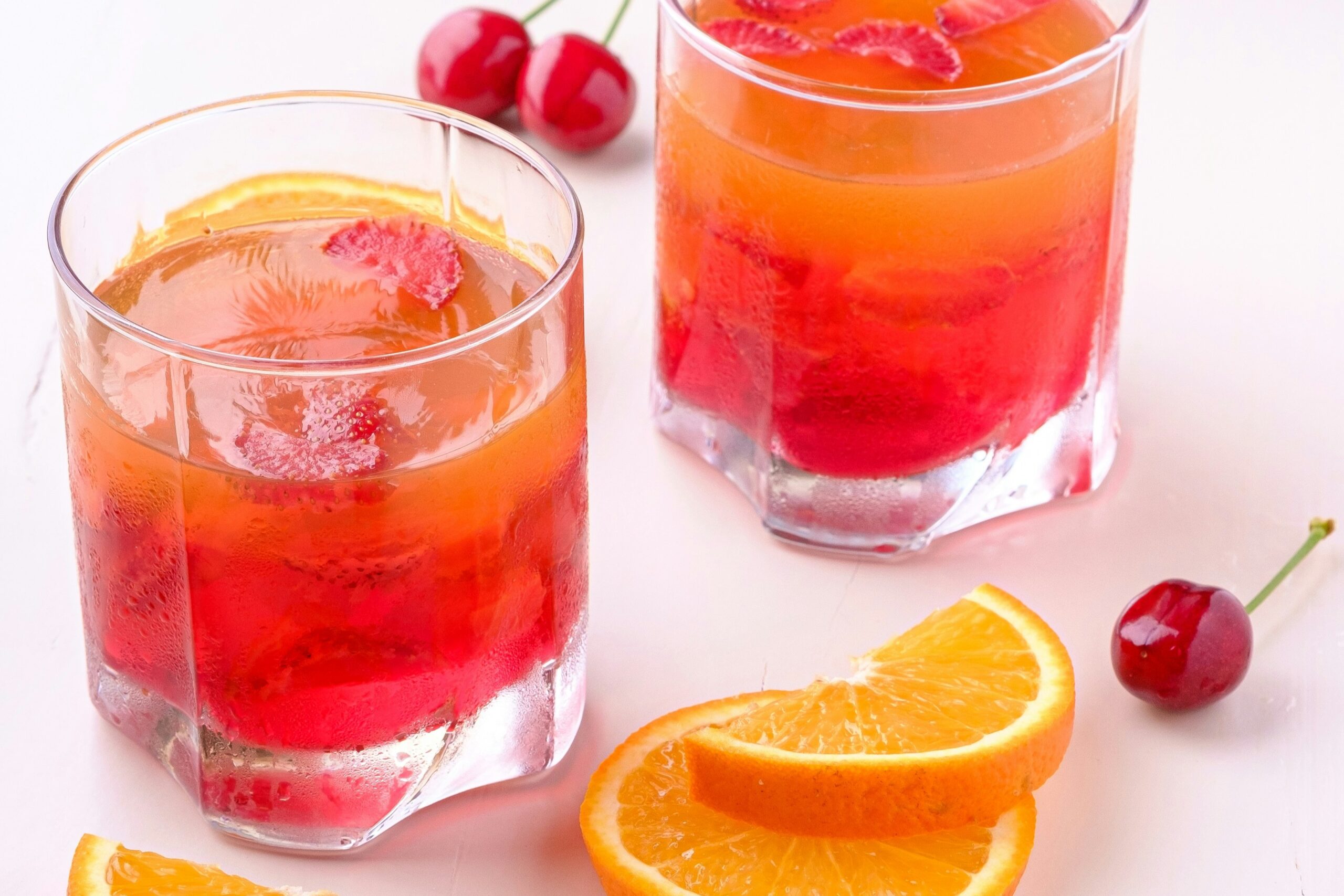
The slice of fruit that might be in your cocktail? Healthy. The alcohol itself? Not so much.
Most of us know the health risks that come with drinking alcohol. It damages our brain, gut, liver, skin, and nearly every organ in our body. It is a known carcinogen (cancer causing agent). Alcohol may also negatively impact our relationships, career, and progress towards our goals.
Although we may know this, people choose to drink alcohol for lots of reasons.
For example, some say red wine has health benefits. And while red wine itself might have some health benefits, the alcohol content in the wine is definitely detrimental to our health.
Alcohol is also promoted as a ‘normal’ beverage choice for all occasions, from weddings to funerals and birthdays to life milestones. It is not uncommon to hear that people use alcohol to unwind after a stressful day at work, to help them fall asleep, or to cope with a situation. While alcohol may appear to help us with these things in the moment, the long term consequences to our health and quality of life are significant. Not to mention we miss out on the chance to develop healthier coping strategies for stressful life events.
Alcohol is often used as a social lubricant, giving us an illusion of confidence or gusto with which to overcome social anxiety. If you have ever tried this however, you might agree that ironically, it sometimes makes situations worse.
Social occasions can certainly be fun, entertaining, and enjoyable without alcohol, but maintaining positive social connections with friends and family is not always easy if you are the only one without a drink in your hand.
When you think about making healthier choices, and want to reduce your alcohol intake, start by evaluating your current drinking habits:
- Reflect on why you drink. Are you coping with stress? Avoiding an unpleasant feeling? For fun?
- Consider who you drink with. Alone? With friends or others? Only at events or special occasions?
- Find your baseline. How many drinks do you currently have per week, on average?
Once you have done this, you may find it easier to actually start making changes. For instance, if alcohol use is part of how you manage stress, consider alternative stress reduction strategies such as going for a walk, practicing meditation, working out, and/or seeking professional help if needed.
Alternatively, if you drink mostly socially and recreationally, consider having a glass of water for every alcoholic beverage you consume. This may reduce how much alcohol you drink and can help with hangovers and next day recovery. You may even consider trying a colourful mocktail instead of alcohol altogether!
Whether you decide to change your alcohol consumption or not is up to you, but at least this way you can make more informed decisions about how these behaviours can impact your health.
The bottom line is, no amount of alcohol is healthy or safe for human consumption. If you do decide to reduce your alcohol intake, remember that it does not need to be a sudden or drastic change.
Any progress towards positive behaviour changes is always a step towards better health.